


The Smart Addition To Oral Care: The Toothbrush Steriliser
When it comes to oral hygiene, most of us focus on brushing technique, toothpaste choice, and regular dental visits. Yet one crucial element is often overlooked: the cleanliness of the toothbrush itself. A toothbrush steriliser is increasingly being recognised as a simple but effective way to improve hygiene standards at home, but is it really necessary, and what does the evidence say?
The Hidden Bacteria on Your Toothbrush
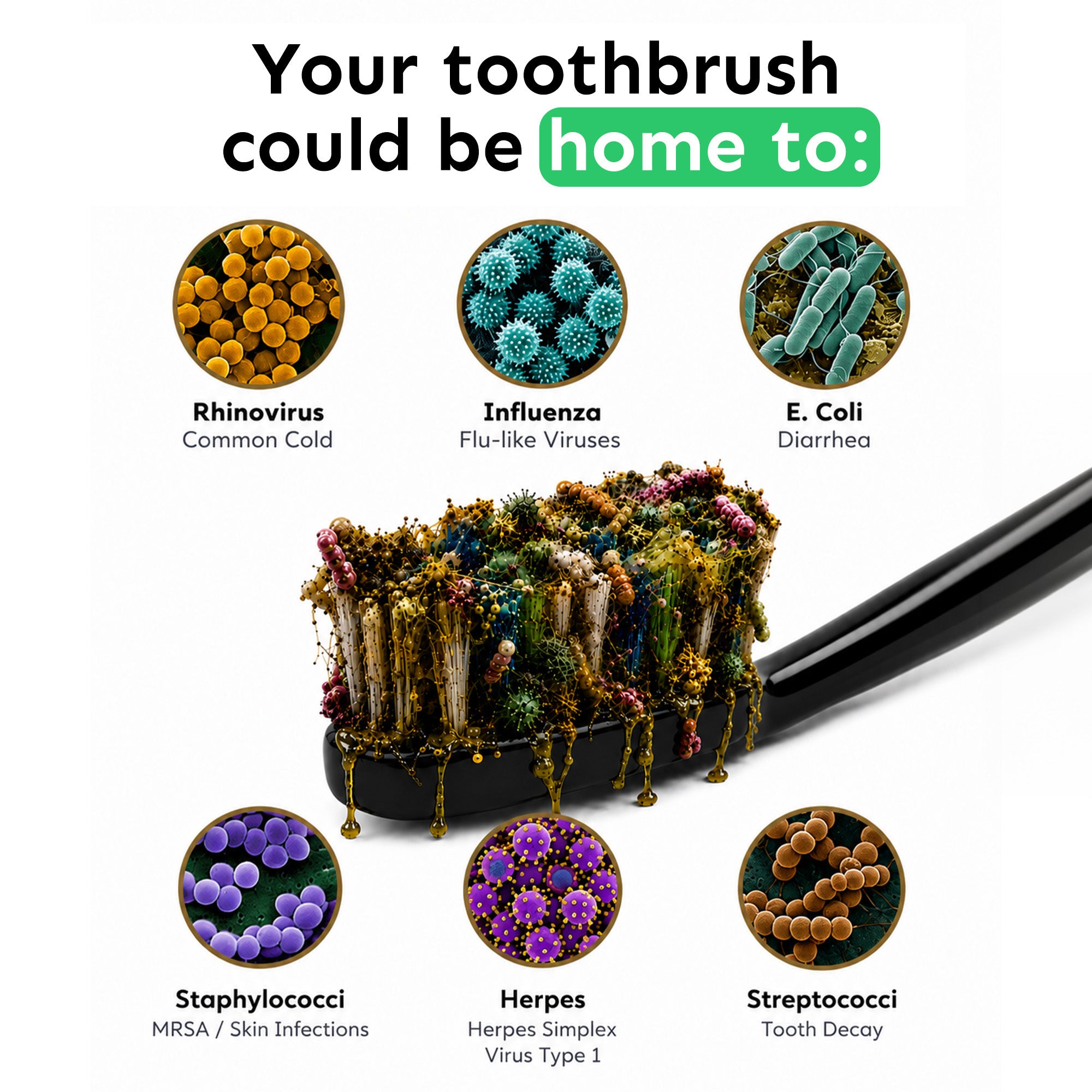
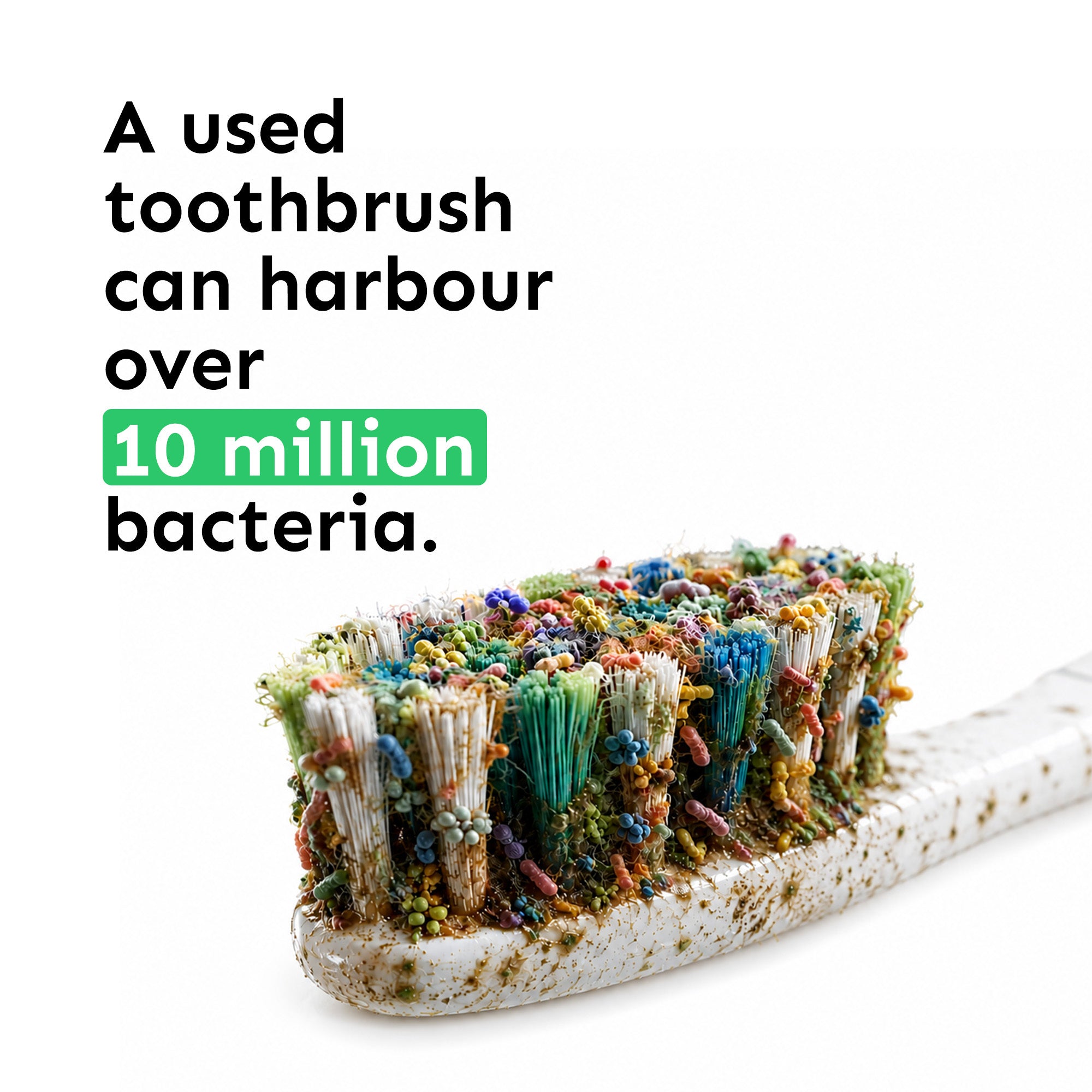
It may come as a surprise, but studies have shown that toothbrushes can harbour millions of bacteria after just a single use. Common microorganisms found include Streptococcus mutans (linked to tooth decay), Staphylococcus aureus, and Escherichia coli (E. coli). Bathrooms, where most toothbrushes are stored, can also contribute to contamination. Research has suggested that toilet flushing can release aerosols containing bacteria, which may settle on nearby surfaces, including toothbrushes.
However, it’s important to put this into context. While bacteria are present, not all are harmful, and the human immune system is generally well-equipped to handle everyday exposure. Professional Dental associations have stated that there is limited clinical evidence directly linking toothbrush contamination to adverse health outcomes in healthy individuals.
Do Toothbrush Sterilisers Work?
A toothbrush steriliser, particularly those using UV-C technology, is designed to kill bacteria by disrupting their DNA. Laboratory studies do support the effectiveness of UV-C light, often showing reductions of up to 99.9% of bacteria on surfaces, including toothbrush bristles.
That said, much of this evidence comes from controlled environments. In real-world conditions, the benefit may vary depending on how the toothbrush is used, stored, and maintained. While UV-C sterilisers can significantly reduce microbial load, there is limited long-term clinical evidence proving that this reduction translates into improved oral or general health for most people.
The Benefits Of Using a Toothbrush Steriliser
Despite the ongoing debate, there are clear advantages to using a toothbrush steriliser:
- Enhanced hygiene: For those who prefer an extra level of cleanliness, a toothbrush steriliser provides reassurance that bacteria levels are minimised.
- Ideal for shared spaces: In households with multiple occupants or shared bathrooms, the risk of cross-contamination may be higher.
- Helpful for vulnerable individuals: People with weakened immune systems, recent illnesses, or oral health issues may benefit more from additional sanitisation.
- Moisture control: Many sterilisers also help keep toothbrushes dry, reducing the damp conditions in which bacteria thrive.

Sterilise your toothbrush. Kill 99.9% of harmful bacteria
Its Not An Alternative, Its An Addition
While the benefits are appealing, it’s worth noting that a toothbrush steriliser is not a substitute for good oral hygiene practices. Dentists generally recommend:
- Replacing your toothbrush every 3–4 months
- Rinsing thoroughly after use
- Storing upright and allowing it to air dry
- Avoiding closed containers that trap moisture (unless designed for sterilisation)
In fact, some experts argue that proper storage and regular replacement are sufficient for maintaining a hygienic toothbrush for most people.
Finding the Right Balance
So, should you use a toothbrush steriliser? For those seeking added peace of mind, particularly in busy households or shared bathroom environments, a toothbrush steriliser would be a really worthwhile addition into your oral care routine. It complements, rather than replaces, the fundamentals of oral care.
Ultimately, maintaining good oral hygiene is about consistency and balance. A toothbrush steriliser offers a modern, convenient way to support that goal, helping you feel confident that your daily routine is as clean and effective as possible.